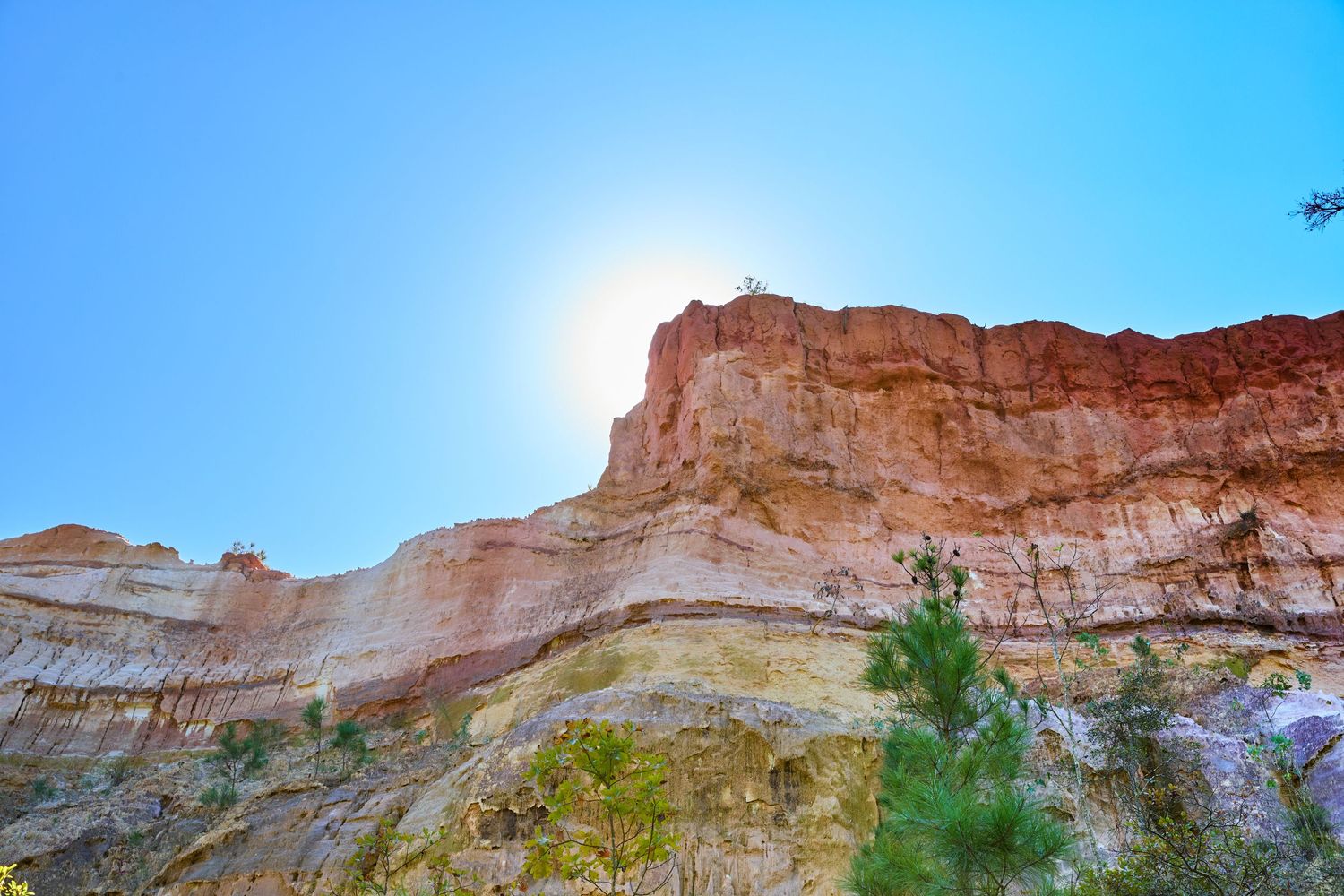
Lumpkin, Georgia
We went to Lumpkin, Georgia!
He swept me off my feet with a surprise Hipcamp reservation in Smiths Station, AL, legendary for its irresistible blueberry honey breakfast biscuits. While I was at work, he packed our bags and planned the perfect escape.
No hesitation needed – it was pure bliss.
Our serene basecamp was a stargazer's paradise, and we'll always cherish the memories, even if we forgot to capture its magic in photos.
-erin
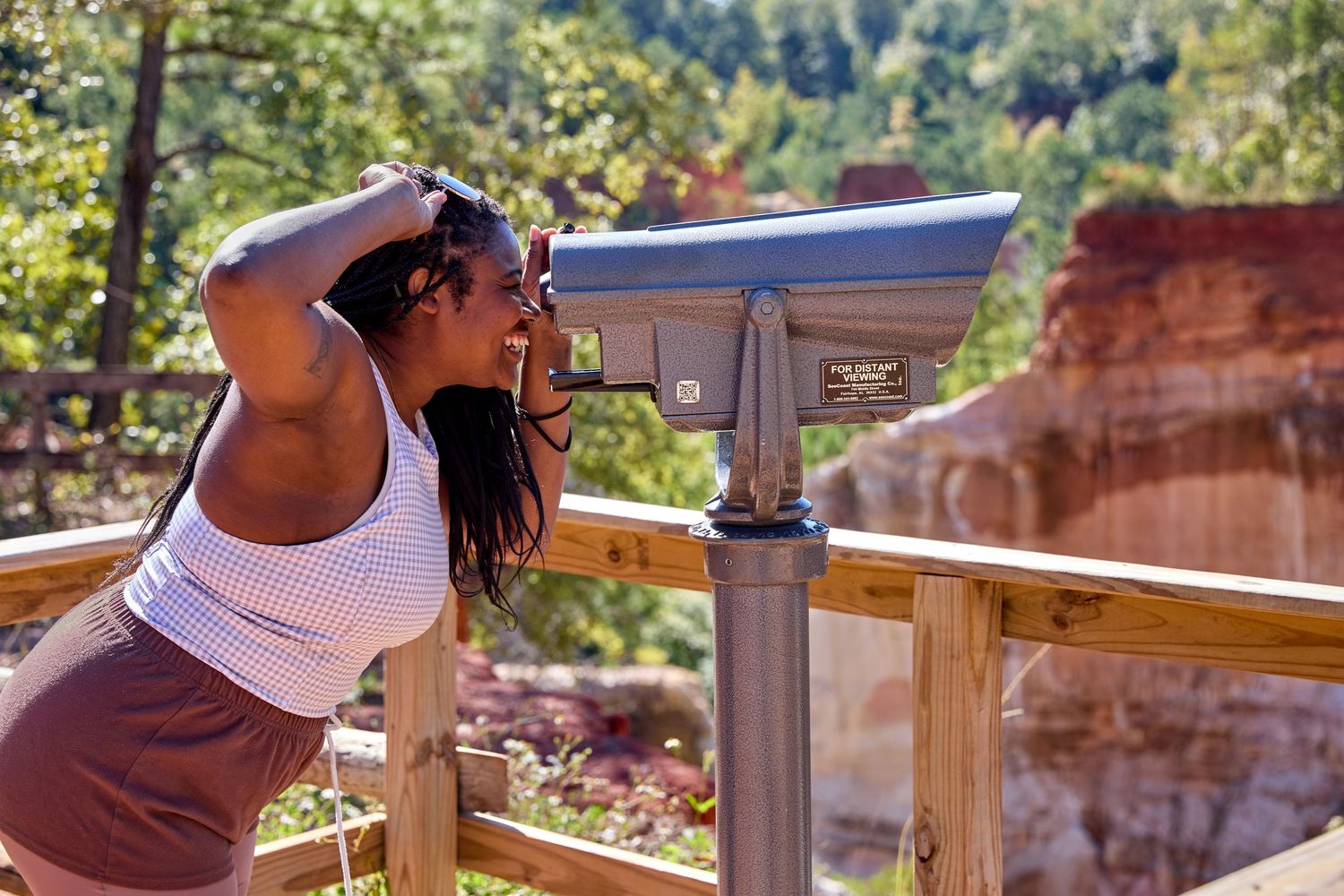
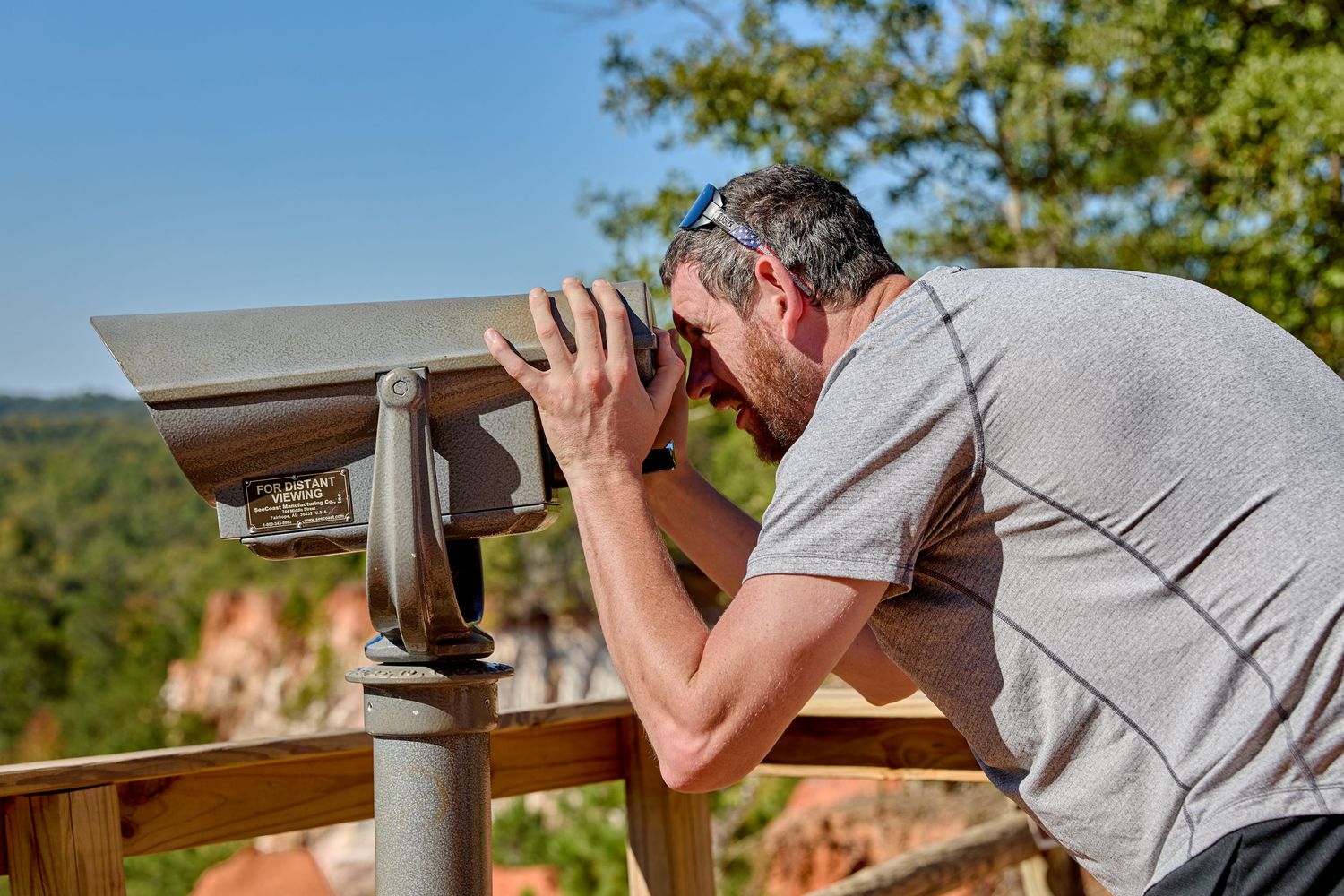
aka "The Little Grand Canyon"
Forty miles flew by as we drove from Smith's Station to Lumpkin, uncertainty building with each passing mile. But as we arrived at Providence Canyon, paid the entrance fee, and sipped our morning coffees, the atmosphere shifted.
Laughter and music filled the air – a birthday party in full swing, kids playing, and guitarists strumming lively tunes. We sensed we were in for something special.
Then, the breathtaking view unfolded. Vibrant hues nestled beneath a lush canopy of pines, willows, and tupelos stole our breath. No rolling hills or distant vistas – just an intimate, kaleidoscopic masterpiece.
Shedding our travel weariness (and jammies!), we geared up for an unforgettable adventure through Providence Canyon's 16 stunning gullies. Little did we know, the real treasure awaited.
Notable Visitors
What's a visit to a state park without checking out the Welcome Center?
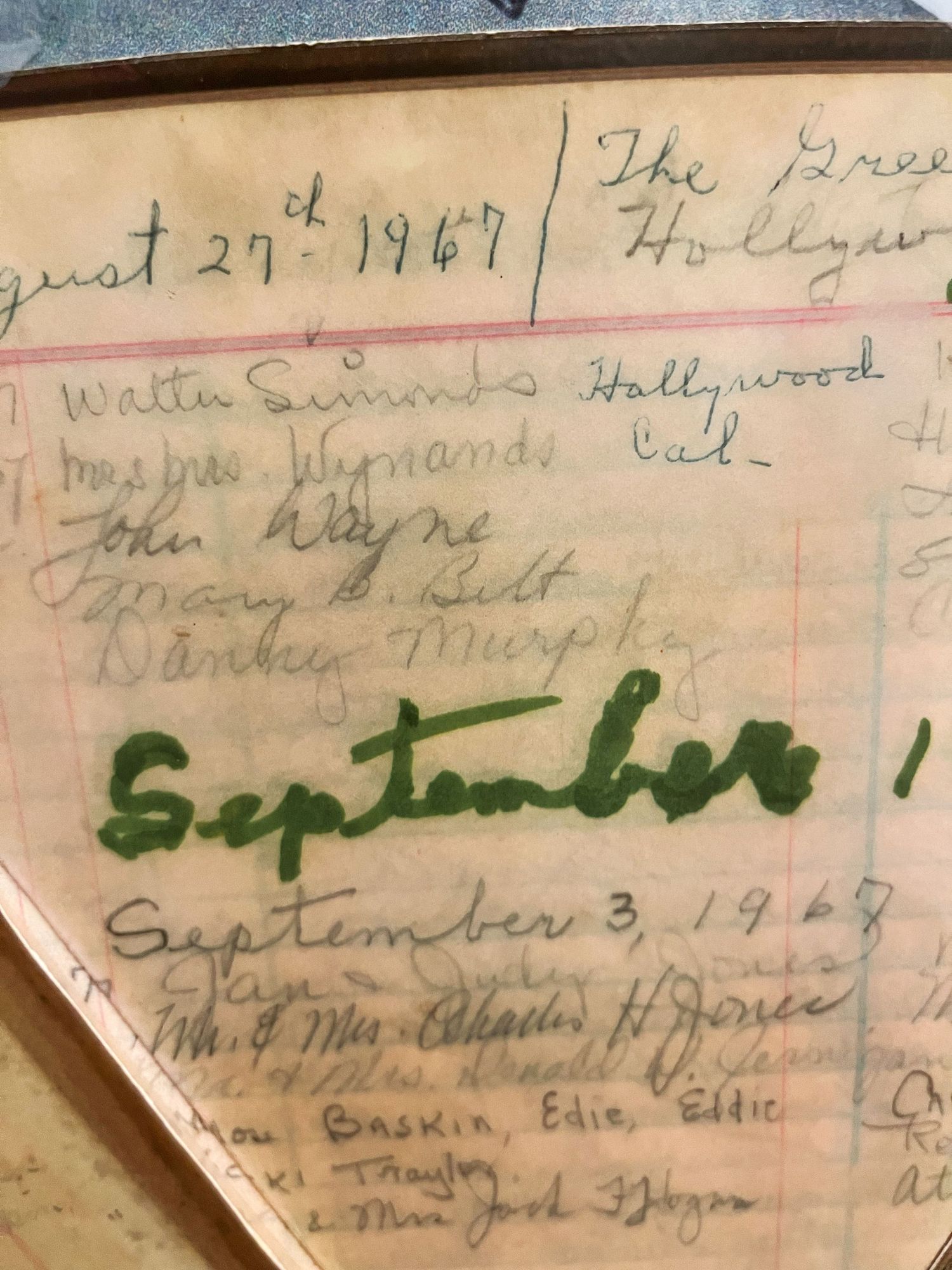
But little did we know, we were following in the footsteps of legends. A sneak peek at the visitor log revealed some astonishing names, including the Duke himself, John Wayne. Who knew the Great Cowboy had explored these very trails?
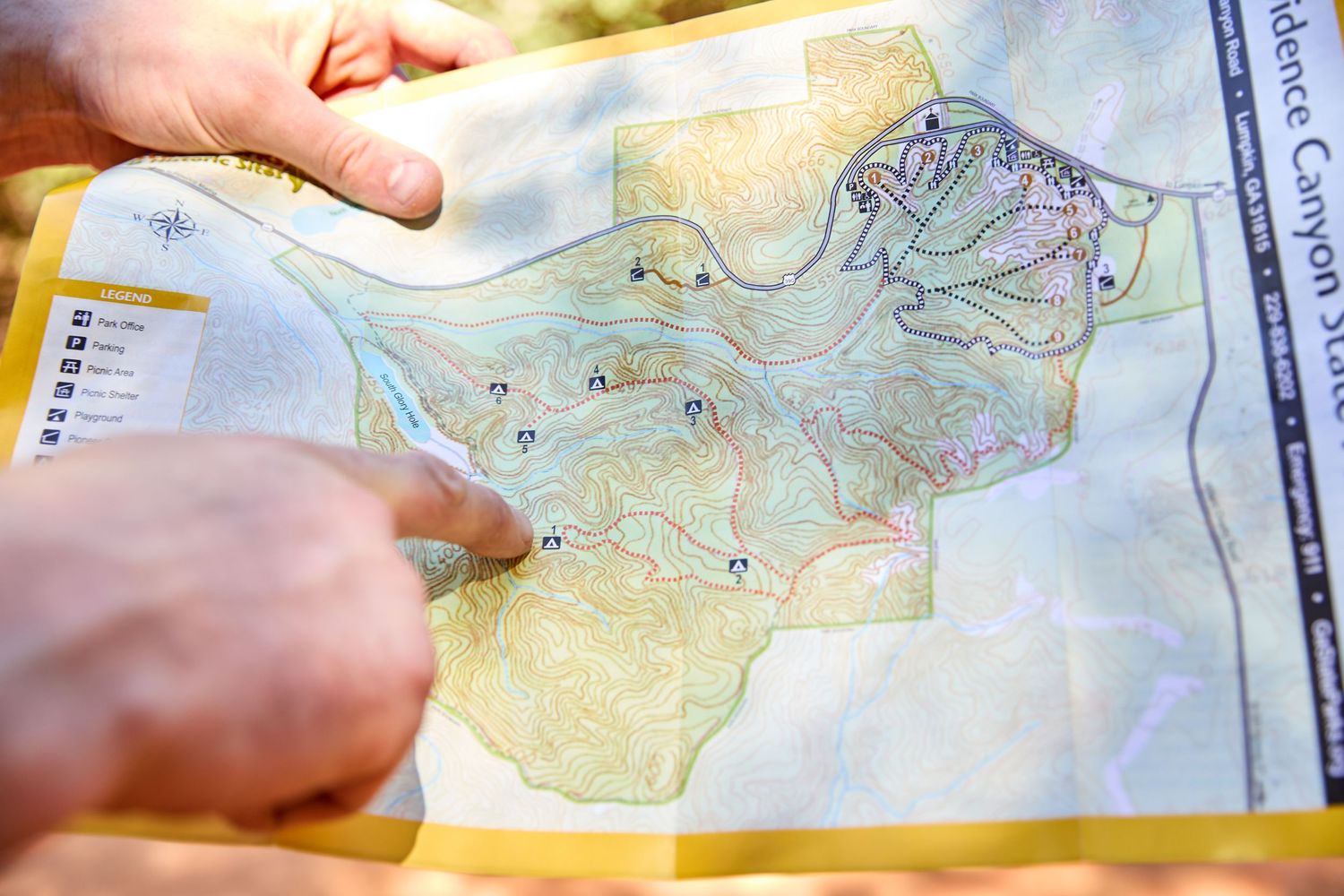
Finding Our Trail
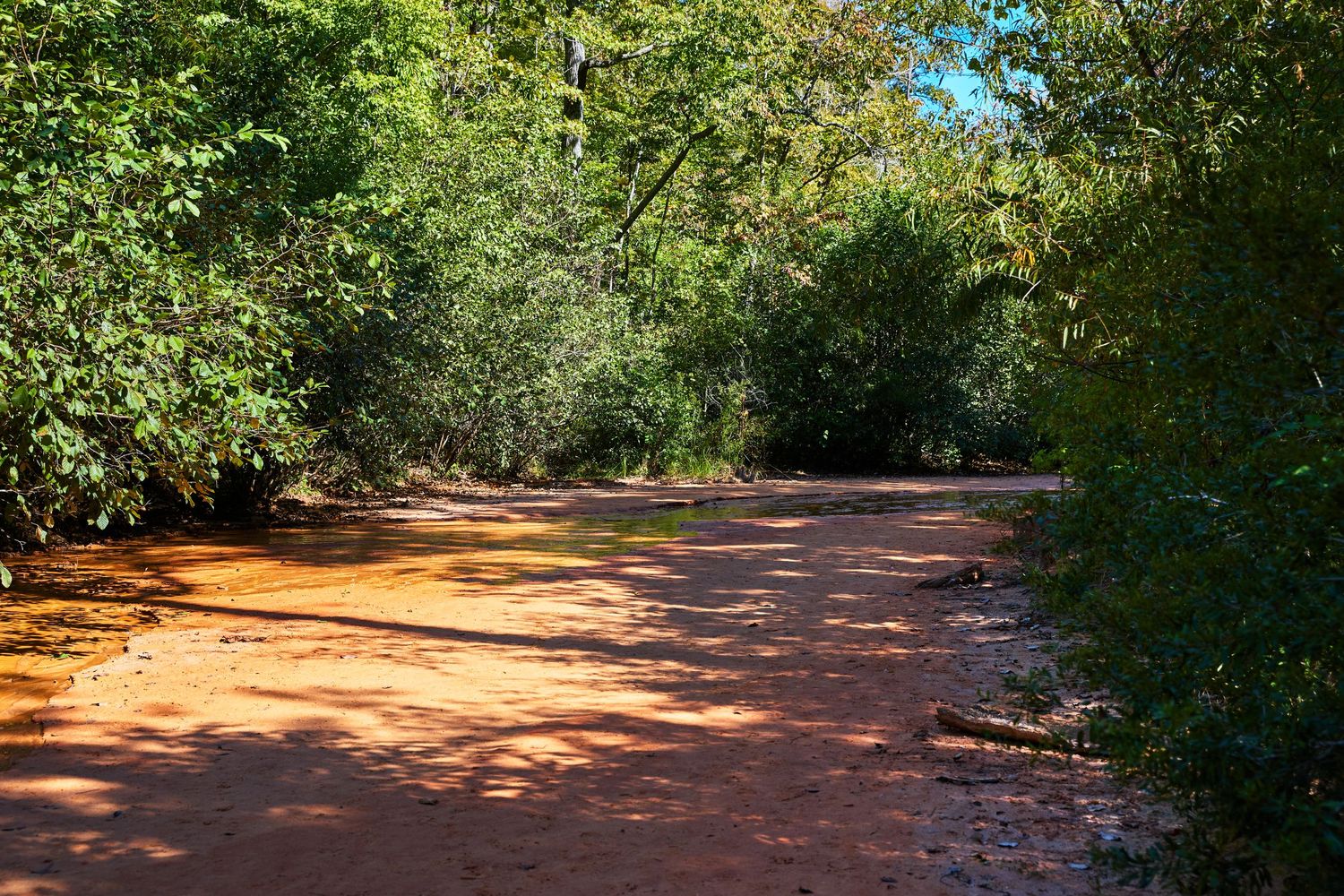
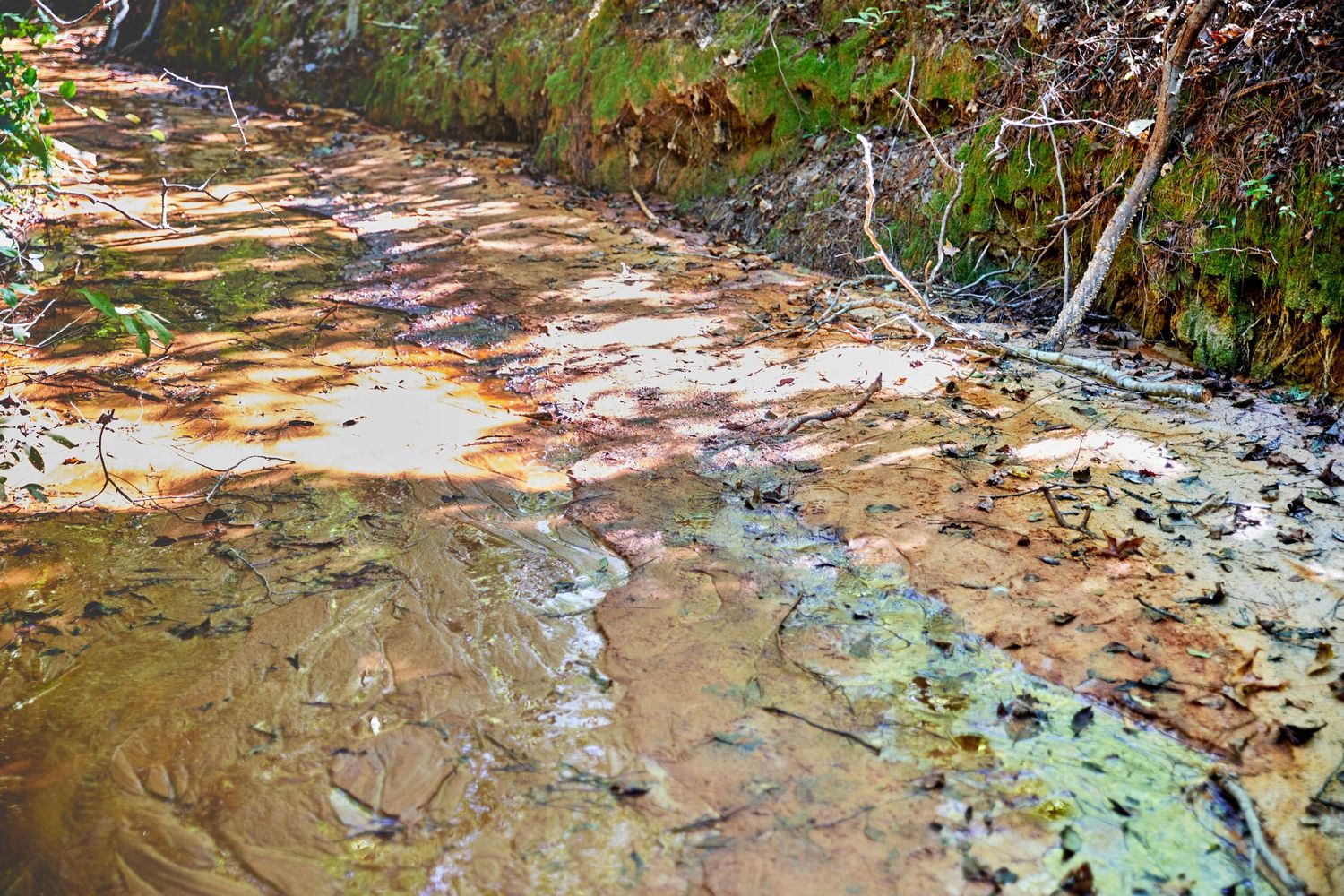
Leaving the 7-mile trail for another day, we embarked on our 2.5-mile hike, innocently descending into a shaded haven. As we meandered down the mountain, a tranquil canopy of trees sheltered us from the sun. The terrain hinted at the mountain's turbulent past – shifted earth and uneven ground foreshadowed the dramatic landscape ahead. At the trail fork, dampness enveloped us. We discovered that centuries-old cotton farming and heavy rainfall had ravaged the soil, carving out Providence Canyon. Serene trees now stood sentinel over shallow streams that continue to shape the canyon, sandy mud puddles, and mineral-rich water tables – a testament to nature's resilience.
Silt, Sand, Rocks, & Minerals
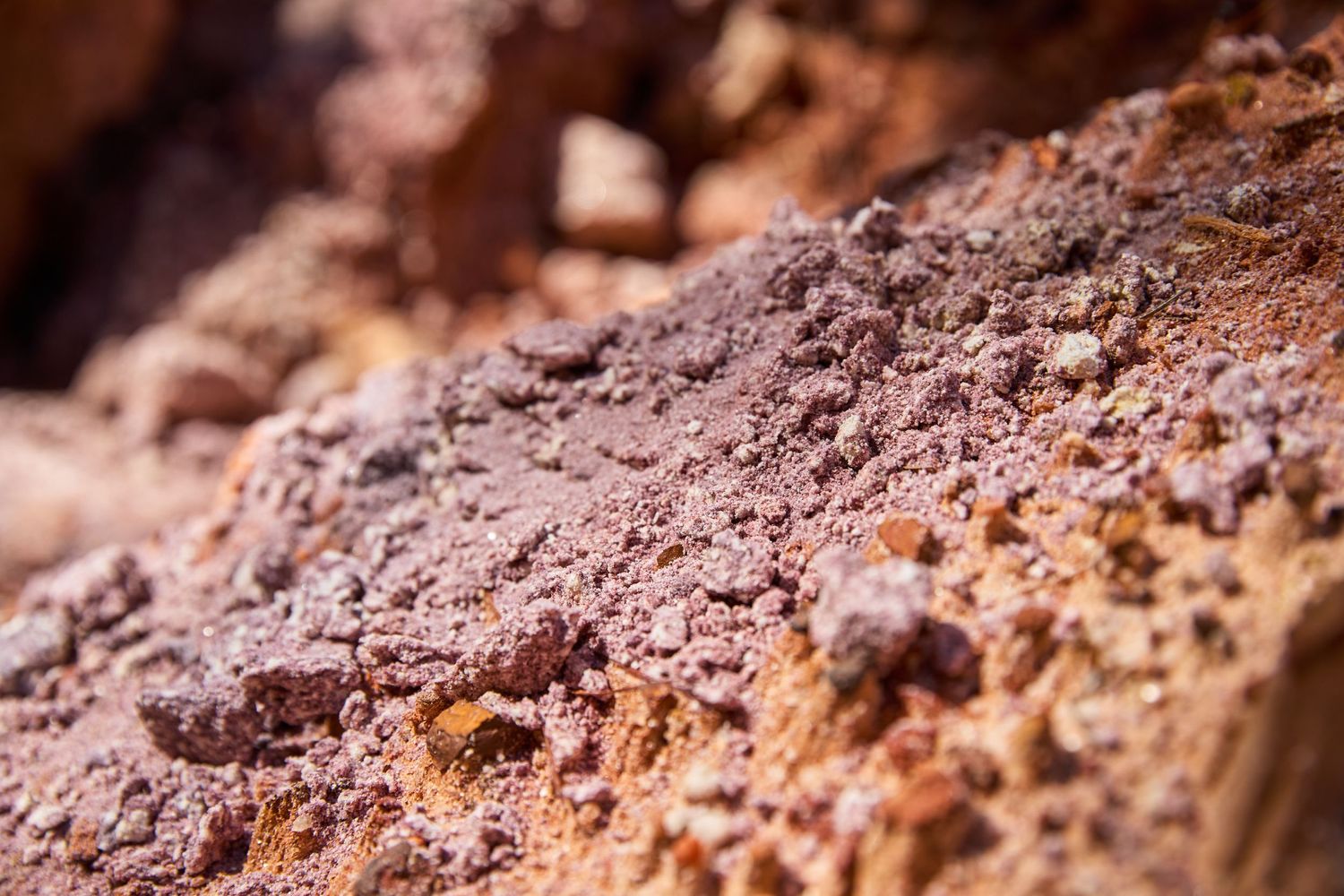
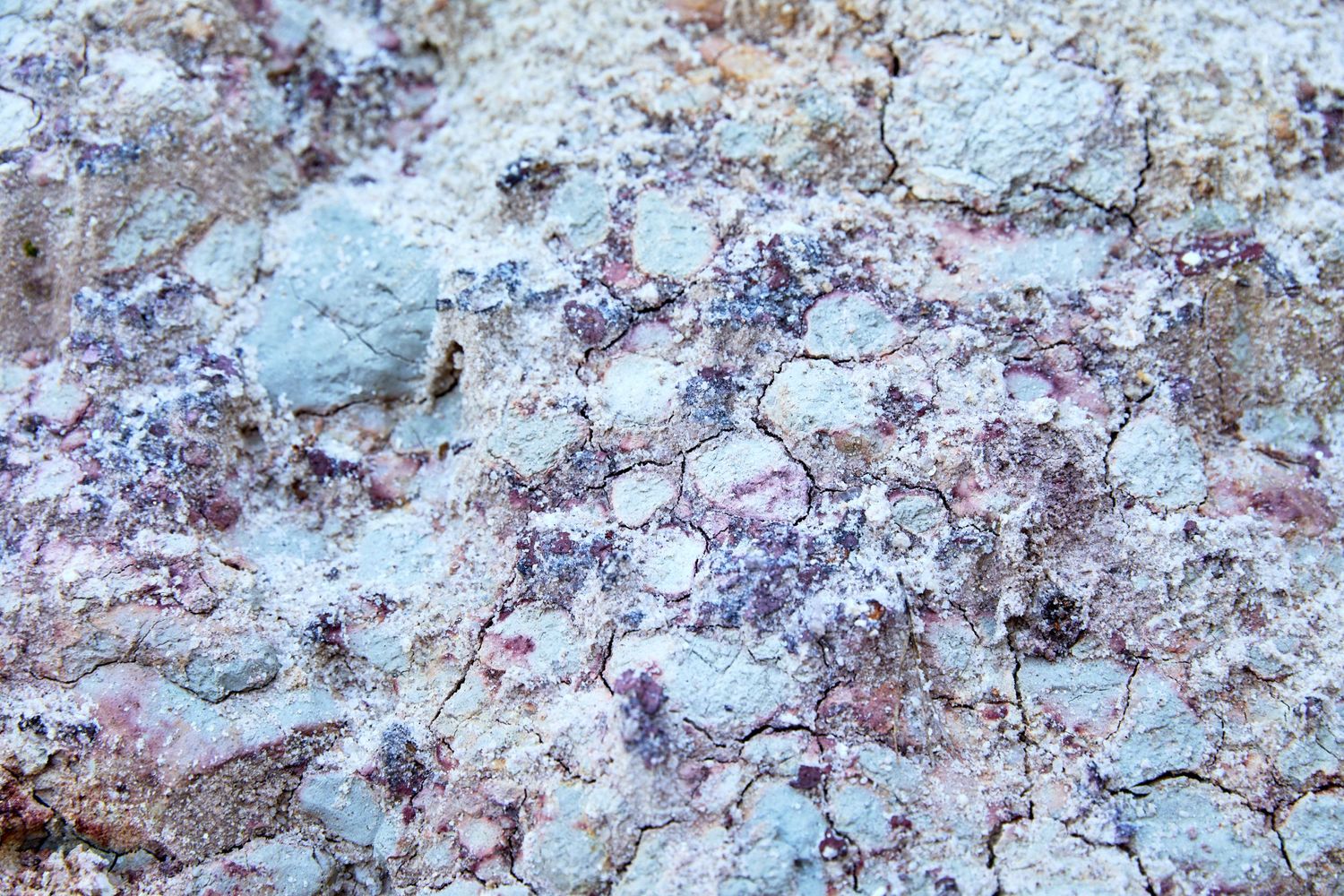
As we explored Providence Canyon, the walls revealed their ancient story. The Providence Formation, shaped by erosion, unfolded a tapestry of salmon, white, and lavender hues – a legacy of minerals deposited by long-forgotten seas.
The canyon floor shimmered, as if sprinkled with stardust, courtesy of mica minerals.
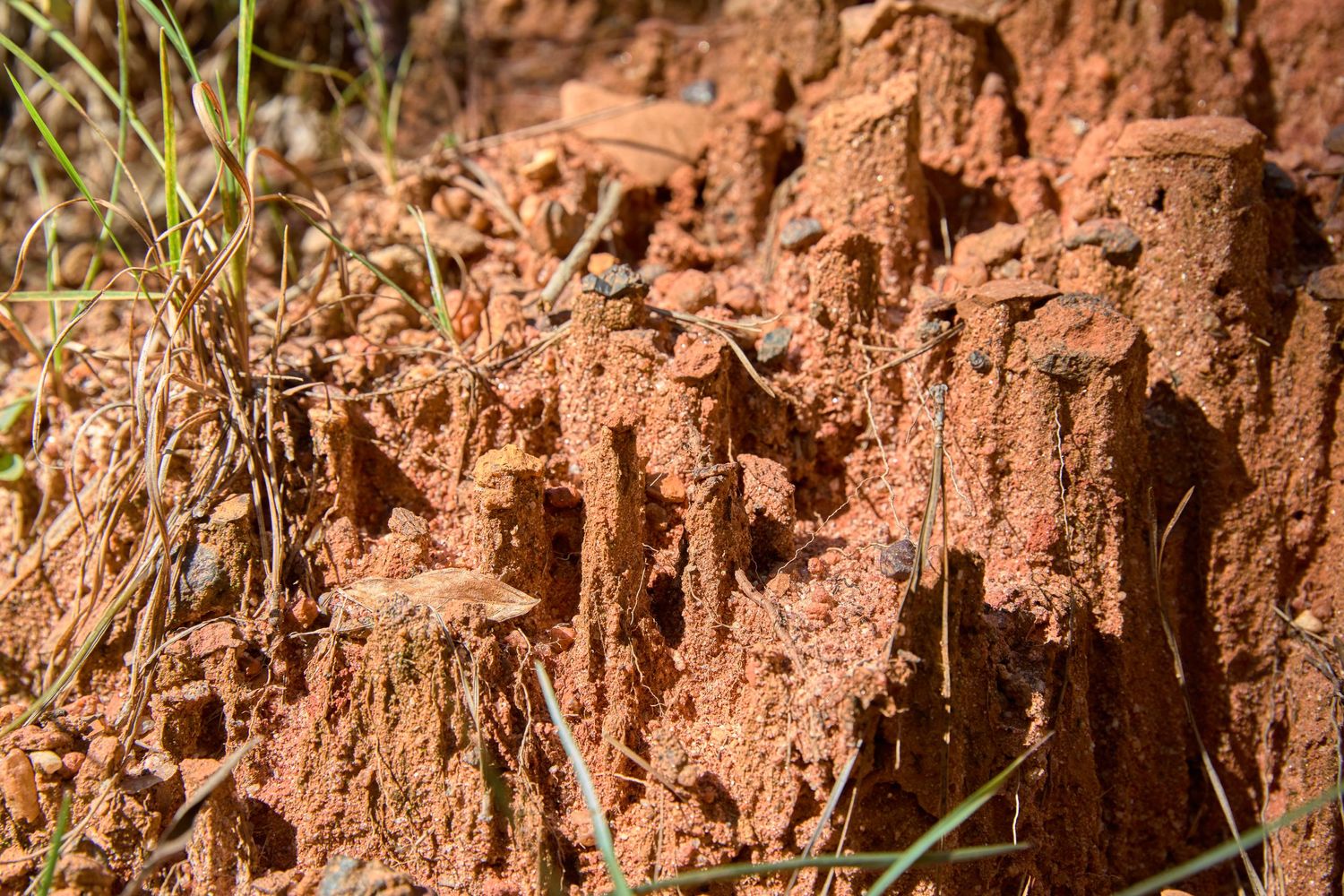
Yet, amidst this beauty, lies a fragile reality. Moss-clad walls conceal a mix of silt, clay, and sand, which, over time, formed solid rock – but also left vulnerable sections susceptible to crumbling.
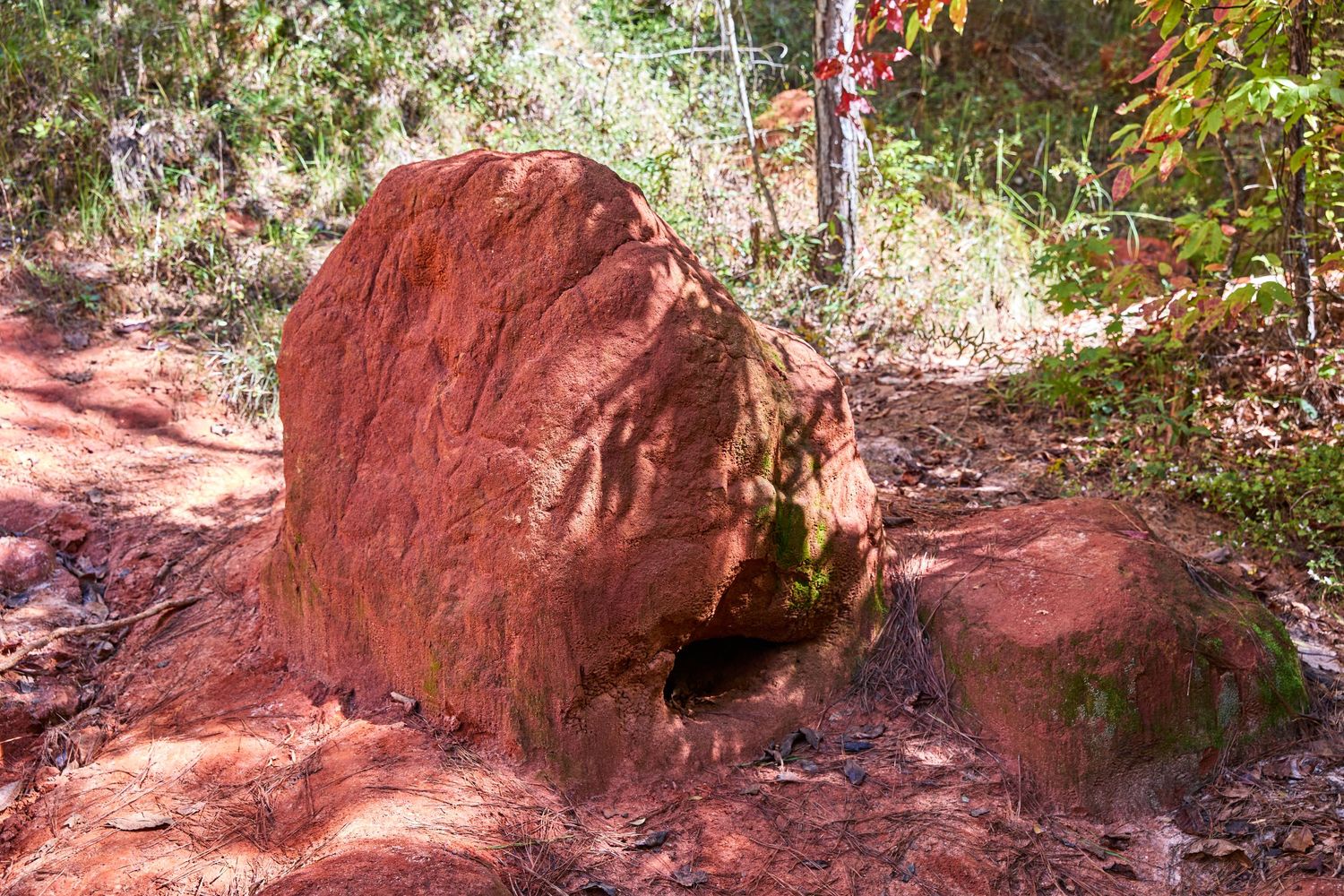
"Look at the boulder!!
Now, that's a NICE boulder."
Know that reference?
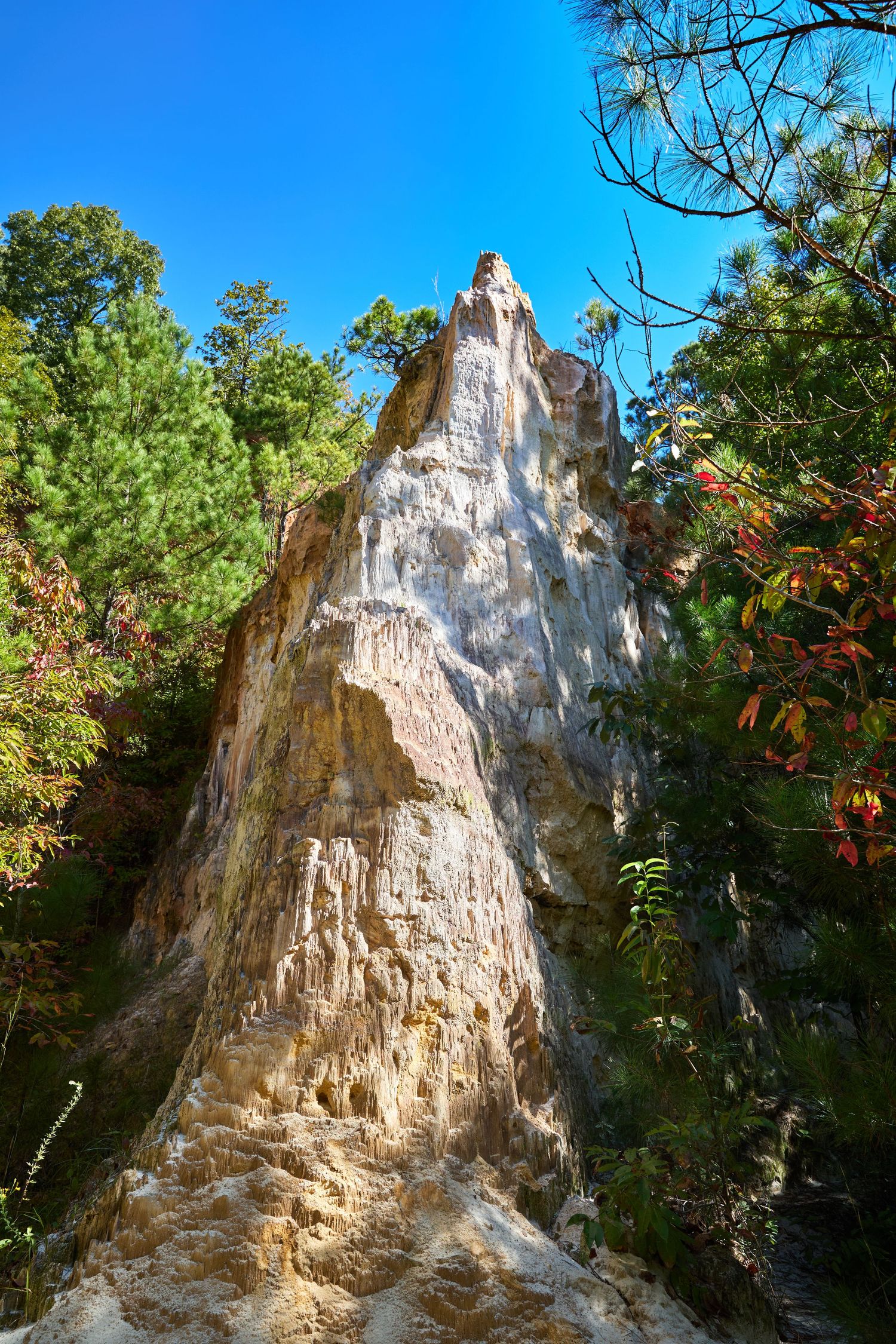
The Clayton Formation
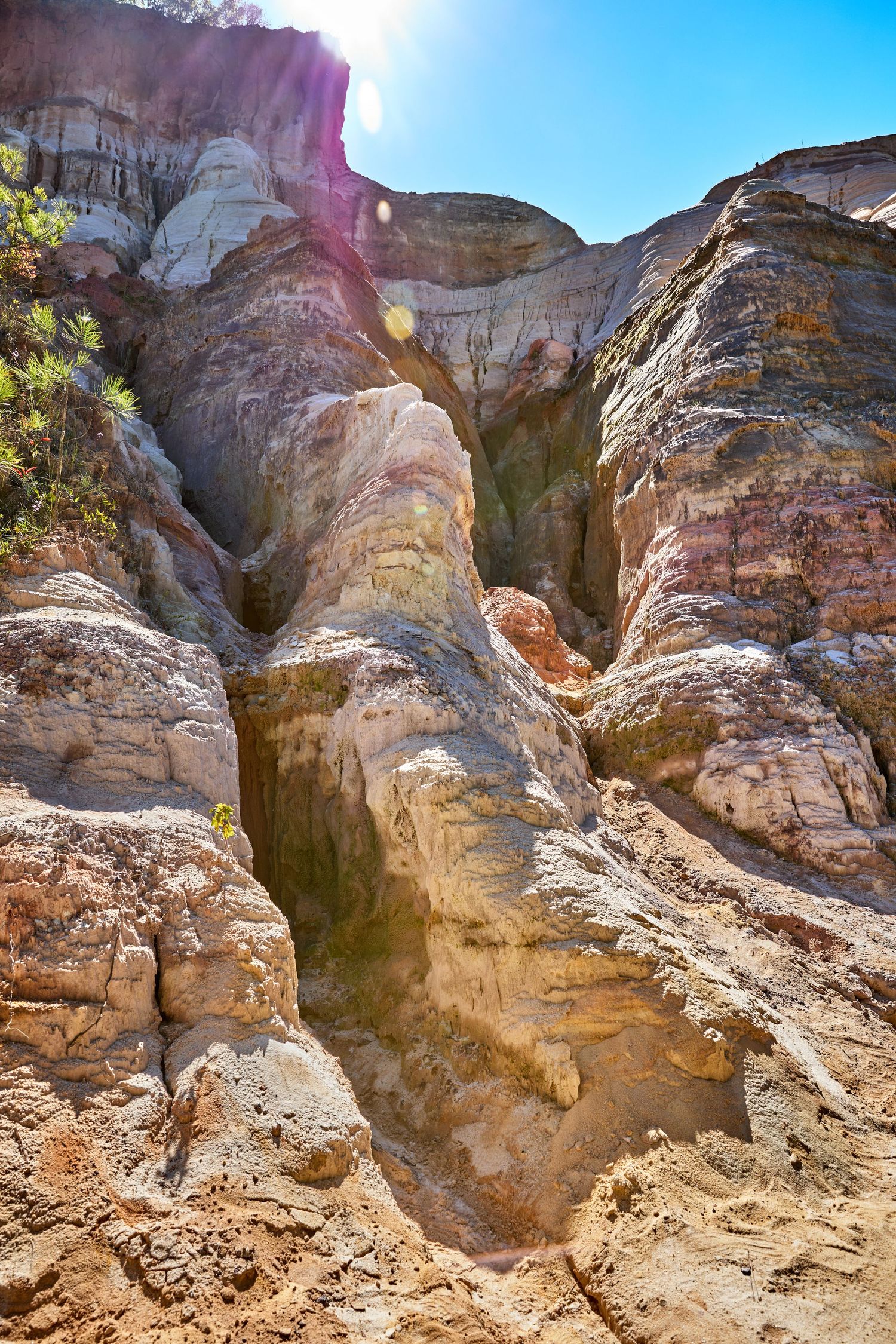
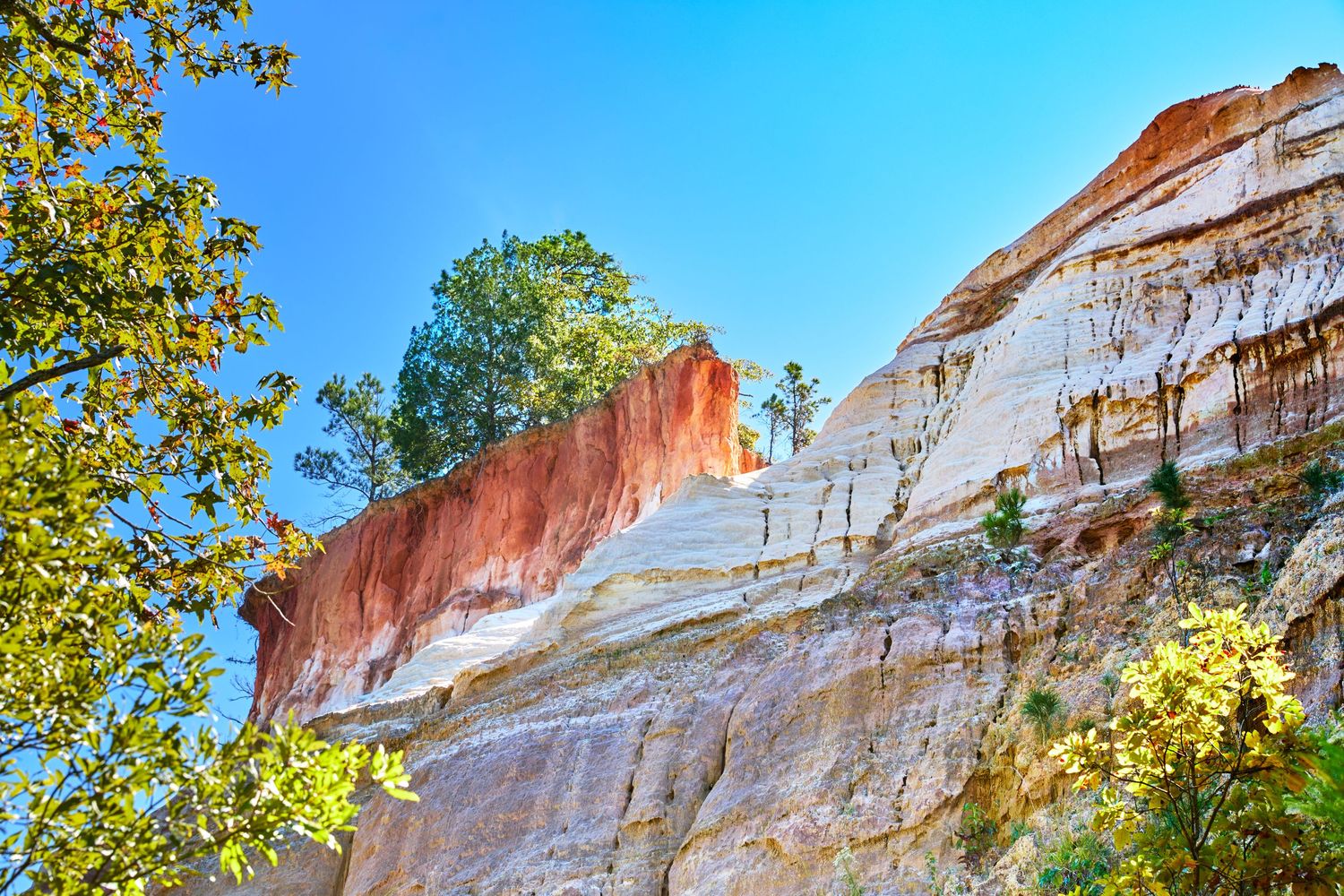
While standing at the bottom of the Providence Formation we took a few minutes to gaze up at Providence Canyon's ancient walls, officially called the Clayton Formation. A slough of iron deposits that seemed to stretch into perpetuity, emphasizing the fascinating mix of textures being showcased by the sun. We were captivated by these iron-rich layers, the masterminds behind the canyon's signature vibrant hues, born from the ocean's depths millions of years ago.
As we continued our journey on the trail, we noticed how the iron oxidized over time, infusing the soft, chalky clay with warm, earthy tones – rusty reds, burnt oranges, and velvety purples. It was easy to feel as though we had stumbled upon nature's own masterpiece, with the Clayton Formation's iron deposits serving as the artist's bold brushstrokes. Standing before this fragile, weathered facade, we felt as though we'd uncovered secrets of a forgotten era, and the story of how this Georgia wonder got its striking good looks.
"Providence Canyon is definitely its own thing.."
-ZAK
